Address : 50 Raffles Place Land
Tower Singapore
Call Us : +65 31591871
Mail Us : [email protected]
Office Time : Monday to Sunday
08:00 - 20:00

News

Unveiling the Precision: Thin Section Ball Bearings in European Engineering

Precision engineering plays a pivotal role in various industries across Europe. It forms the backbone of manufacturing processes, ensuring that machines and equipment function with utmost accuracy and efficiency. In this article, we delve into the world of precision engineering and focus on one crucial component that enhances precision to a remarkable degree – thin
Enhancing Efficiency: The Role of Drawn Cup Needle Roller Bearings in European Industries

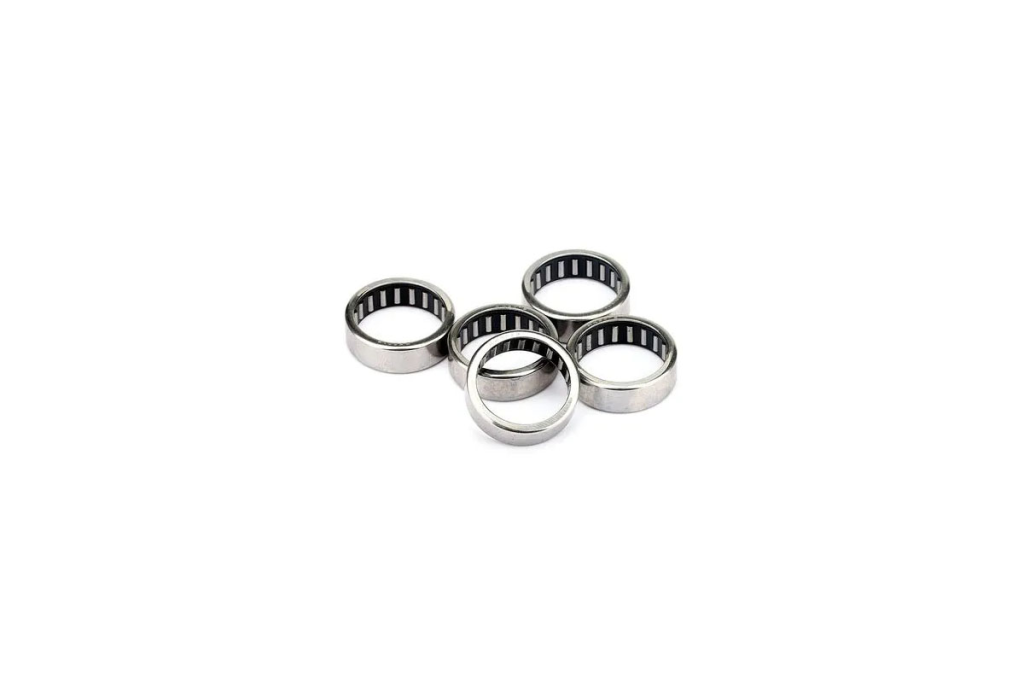
In the fast-paced world of European industries, efficiency is paramount. Manufacturers and engineers are constantly seeking ways to enhance productivity while maintaining the highest quality standards. One crucial component that plays a significant role in achieving these goals is the drawn cup needle roller bearing. This article delves into the essential role that drawn cup

Thrust Tapered Roller Bearings: Powering Precision in European Engineering

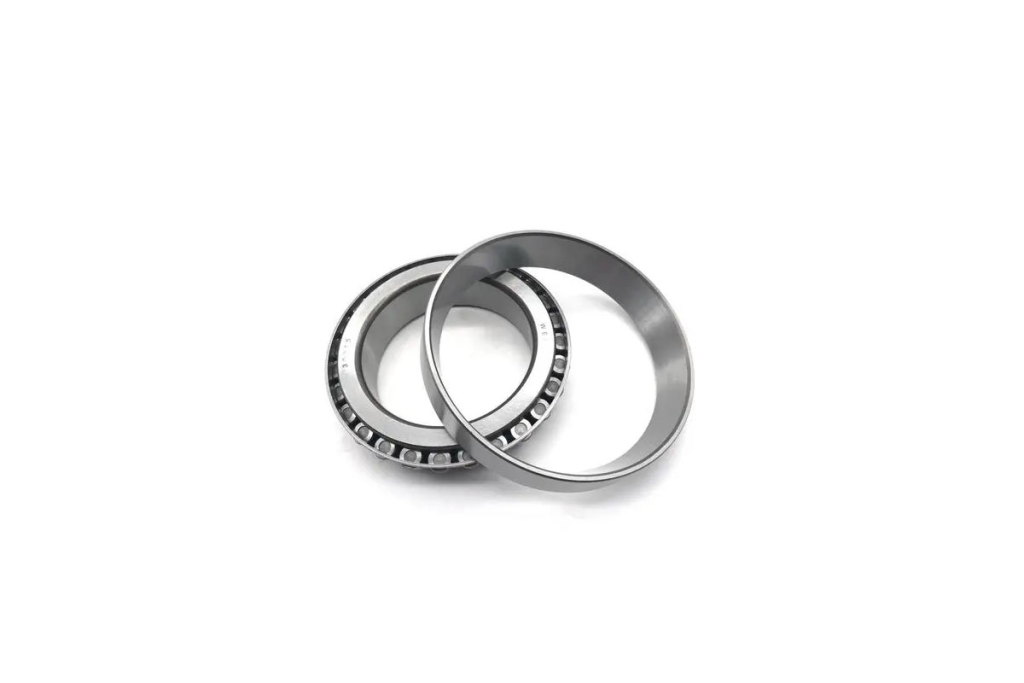
Precision engineering lies at the heart of European industries, and the pursuit of excellence in this field is unceasing. One of the key drivers of precision in European engineering is the utilization of cutting-edge components, such as thrust tapered roller bearings. These meticulously designed bearings play a pivotal role in ensuring the smooth operation and

Causes of Ball Bearing Failure

Ball bearings are used in a variety of applications to reduce friction and wear. They are used in the automotive industry, power generation, construction equipment and many other types of machinery. Ball bearings are made from a variety of materials, including steel and brass. The most common type of ball bearing is made from chrome

What is the life of a bearing?

The life of a bearing is usually defined as the number of revolutions at which it can operate without failure. For example, a bearing with a life rating of 30,000 revolutions (30K) can operate for 30,000 rotations before failure occurs. The life rating is determined by the application and operating conditions (e.g., speed, load). The

Bearing Hardness Definition

Bearing hardness is the resistance to indentation, or scratch, of a solid surface by another harder surface. The area of contact between the two surfaces is called the bearing area. A small force, called bearing load, must be applied to maintain this contact. This is because the hardness of the bearing material results in high

Bearing Types Used in Pumps

Bearings are used to support the rotating shafts of pumps. Bearings are made up of a bearing cage, a bearing retainer and an outer ring. Bearings can be solid or ball bearings. In general, most pumps use a combination of different types of bearings to support their shafts. For example, gas turbine pumps use ball

The parts of a bearing

A bearing is a machine element that constrains relative motion to only the desired motion, and reduces friction between moving parts. The bearing’s purpose is to minimize the friction between the parts it supports, allowing the parts to run smoothly and freely, with as little wear and tear as possible. Inner ring An inner ring

What are the advantages of bearing materials?

Bearings are an essential component of most machines. They are the mechanical link between the moving parts of a machine and its power source. A bearing is a device that allows for relative movement between two or more parts to reduce friction and resistance in a system. The main function of bearings is to support,

How do bearings operate?

Bearings are used to support, guide and locate objects in machines. The design of bearings varies according to their function. For example, a bearing may be designed to support loads but not resist axial loads. Some bearings have no preload and others have an axial load that is greater than the yield point of the